
Induction Heating Furnace for Aluminum Alloy "Flat Billets": A New Highlight in Aluminum Processing Equipment
Heating aluminum billets is a critical preliminary step in the aluminum extrusion process. Factors such as temperature control precision, heating uniformity, and energy efficiency directly determine the quality of the finished aluminum profiles, the product yield rate, and energy costs; thus, this stage represents a key area for quality improvement, efficiency enhancement, and green upgrading within the aluminum processing industry.
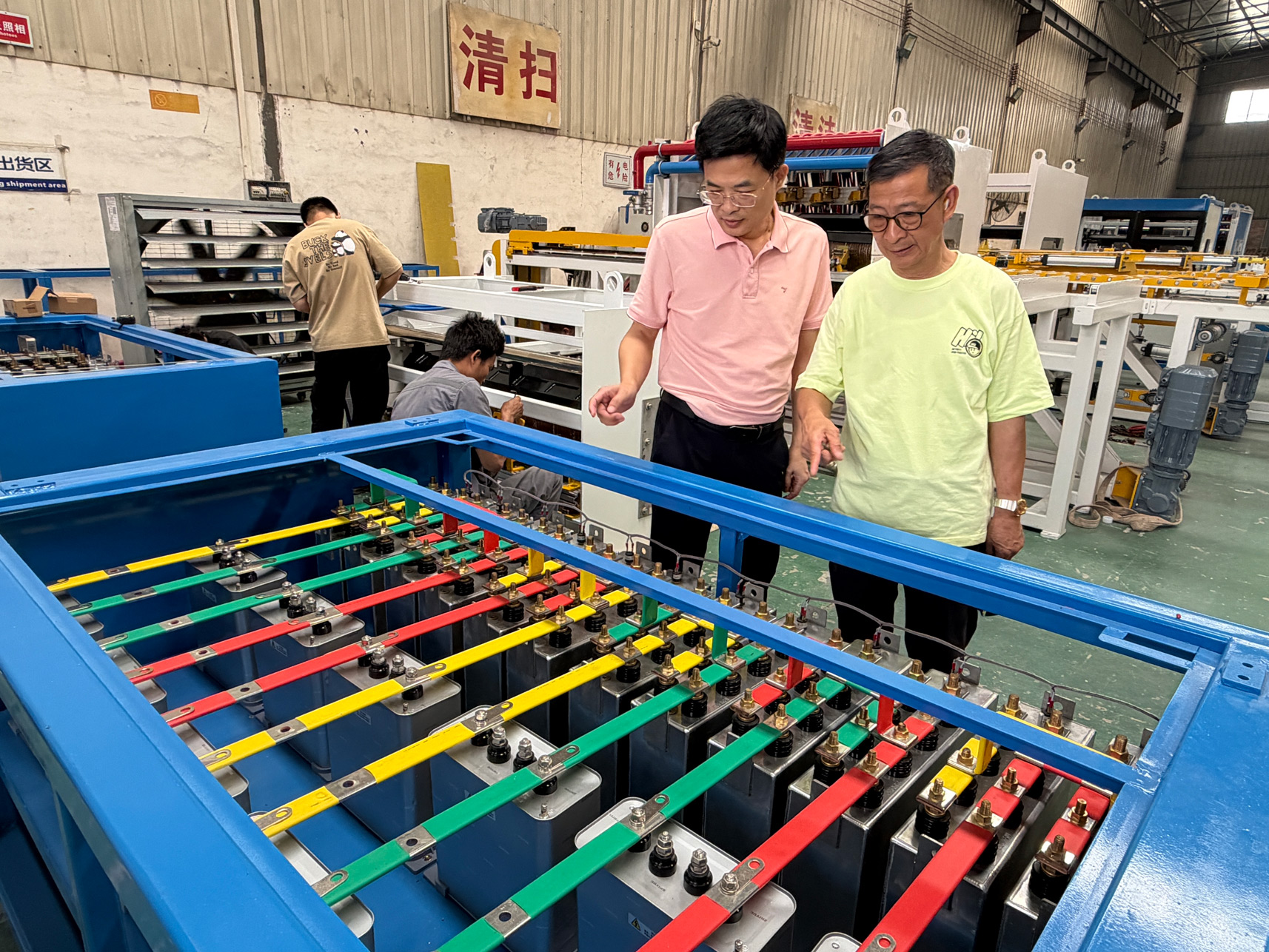
Recently, Lu Jiyan, Director of the Technical Expert Committee of the Guangdong (Nanhai) Aluminum Processing Industry Alliance, visited Foshan Jiling Electrical Equipment Co., Ltd. He engaged in a specialized research exchange with General Manager Li Jian, focusing on innovation in upstream aluminum extrusion equipment, the implementation of energy-saving processes, and the application of intelligent production lines.
According to Li Jian, Jiling Electrical has been deeply involved in the field of upstream auxiliary equipment for aluminum extrusion for over a decade. The company focuses on creating an integrated service system for this sector, offering customized, comprehensive production line solutions that encompass billet heating, automatic loading, sawing, and stacking logistics. Driven by goals to improve quality and efficiency while saving energy and reducing carbon emissions, the company has established two major business divisions—Intelligent Automation and Energy Equipment. Its core products include a full suite of intelligent equipment such as power-frequency furnaces, aging furnaces, automated robotic arms, and billet sawing systems. The company is currently a member of the Aluminum Processing Industry Alliance and has been recognized as an outstanding "Specialized, Refined, Unique, and Innovative" (SRUI) enterprise in the industry.
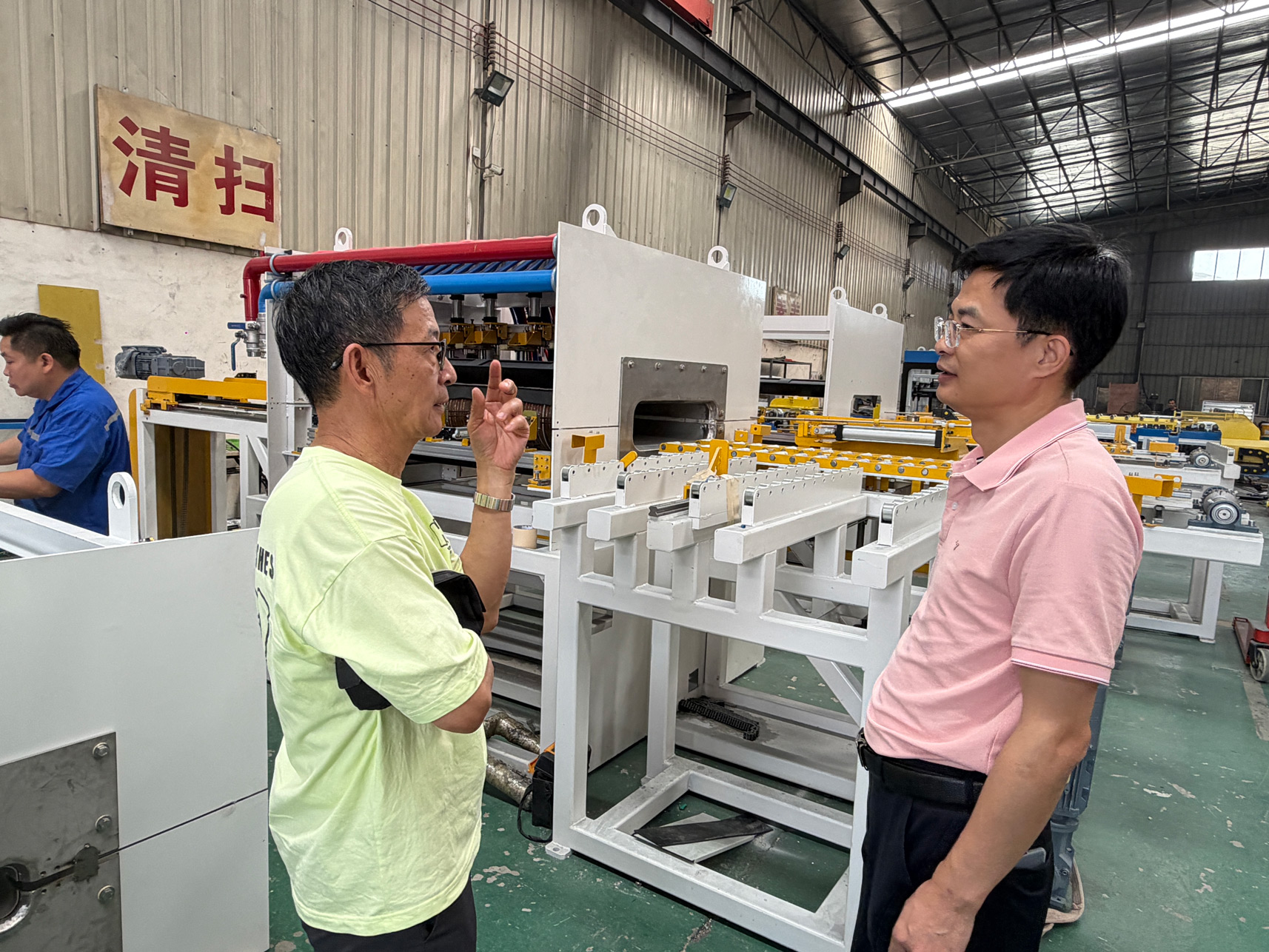
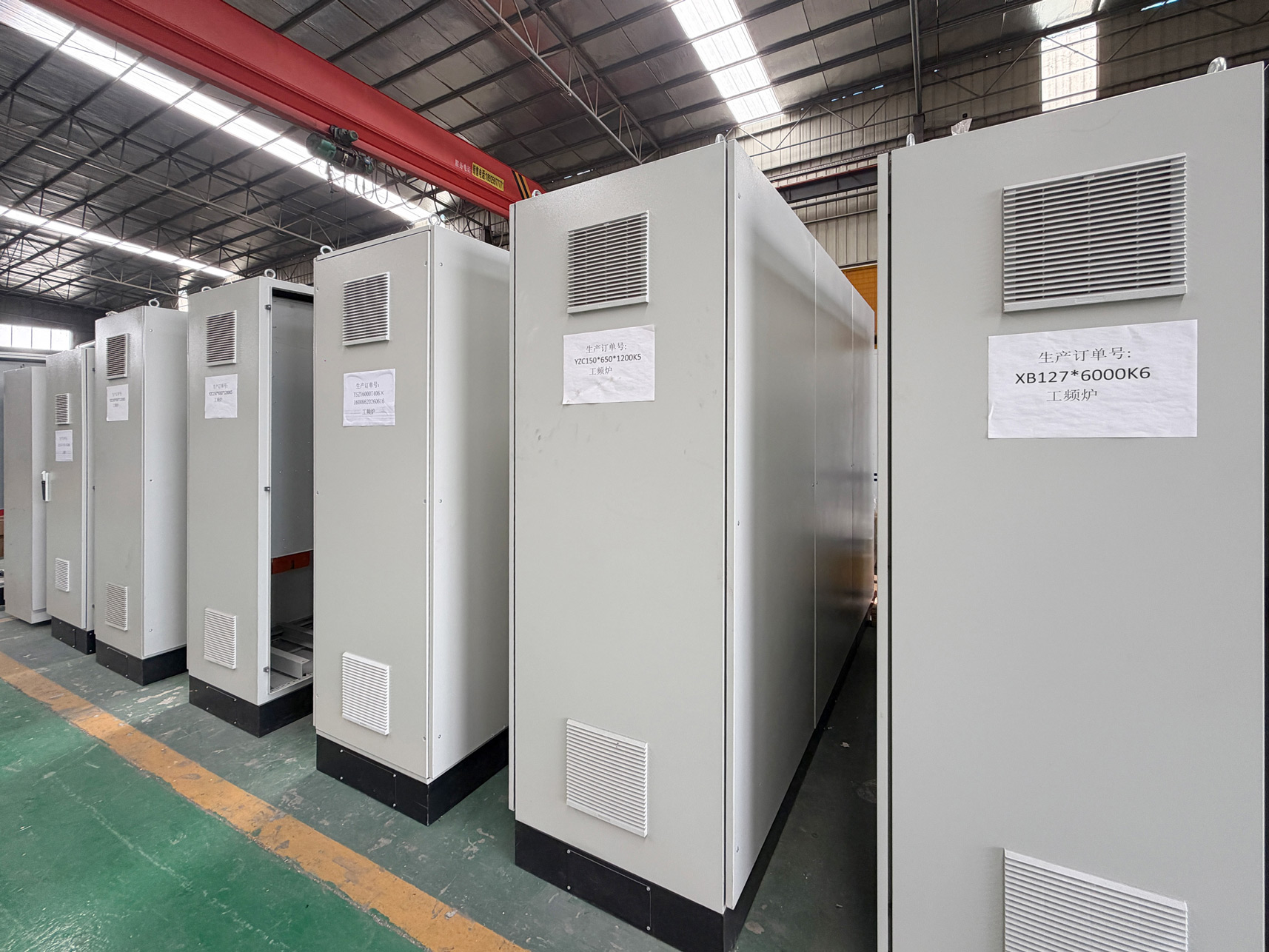
During the visit, Li Jian accompanied Director Lu Jiyan on an in-depth tour of the production workshop. The site was characterized by orderly operations and a bustling atmosphere; production processes were running efficiently, staff were precisely calibrating equipment parameters, and finished units awaiting delivery were neatly arranged. Li Jian noted that the company has received a strong volume of orders this year, keeping production lines running at full capacity. The entire workforce is fully committed to meeting challenges and ensuring the timely, high-quality delivery of various equipment orders.
On the workshop floor, Li Jian highlighted the company's core proprietary innovation: the gradient induction power-frequency furnace designed for flat aluminum billets. With the rapid deployment of large-scale data centers, the demand for aluminum alloys used in liquid cooling systems is surging. These systems require large, flat, multi-chambered profiles, typically produced via flat-billet extrusion. However, the unique geometry of these flat billets—characterized by a high width-to-thickness ratio—makes the heating stage a critical technical bottleneck for achieving high-quality, large-scale production. Traditional heating methods often result in excessive temperature gradients between the ends and the middle, or between the surface and the core, of the billet. Since these billets are used for wide profiles, even minor temperature variations at the front end can be amplified into dimensional or surface defects further along the extrusion process. Furthermore, traditional methods suffer from high energy consumption, failing to meet the rigorous standards of high-end aluminum processing and energy-saving policies.
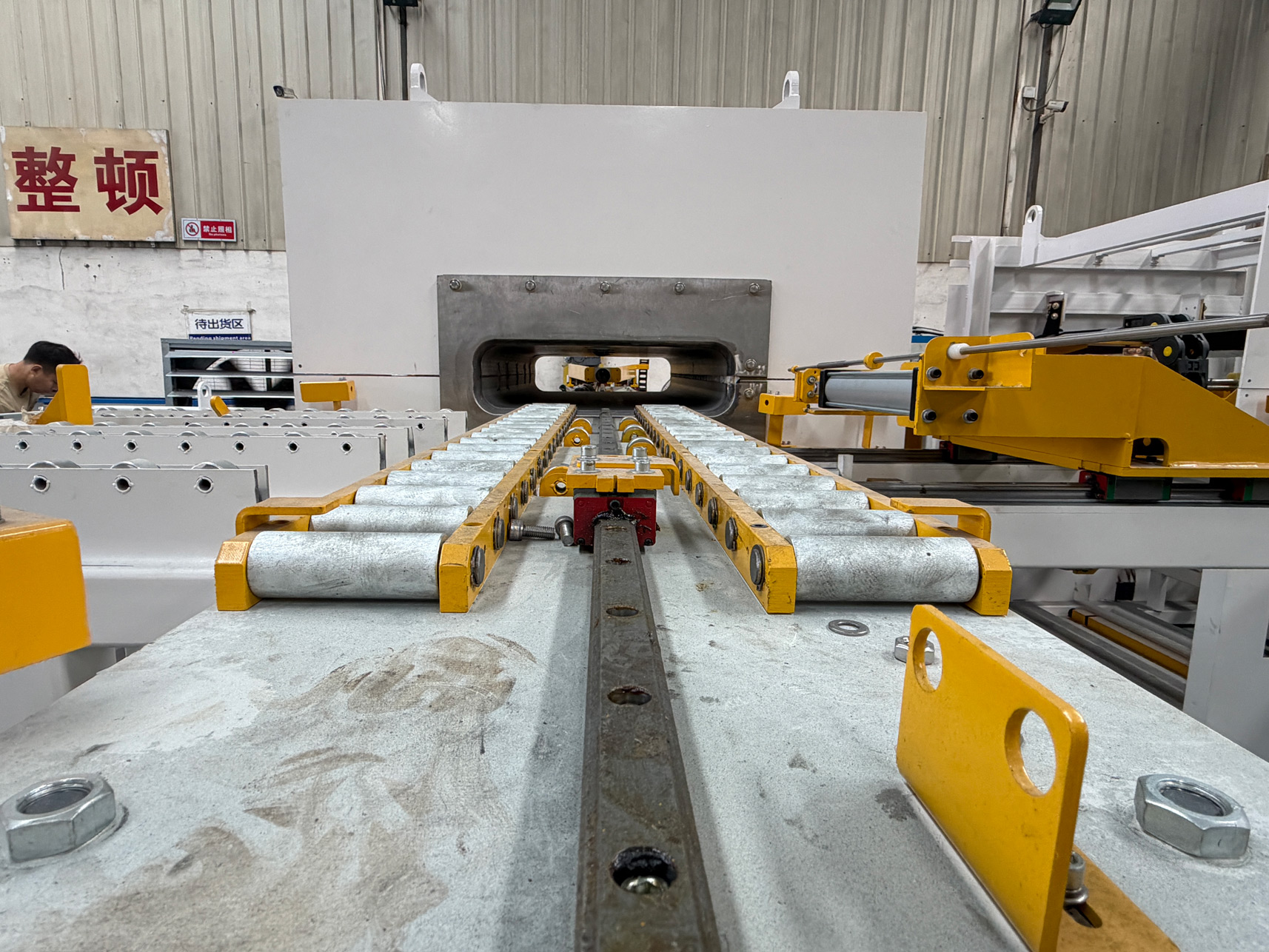
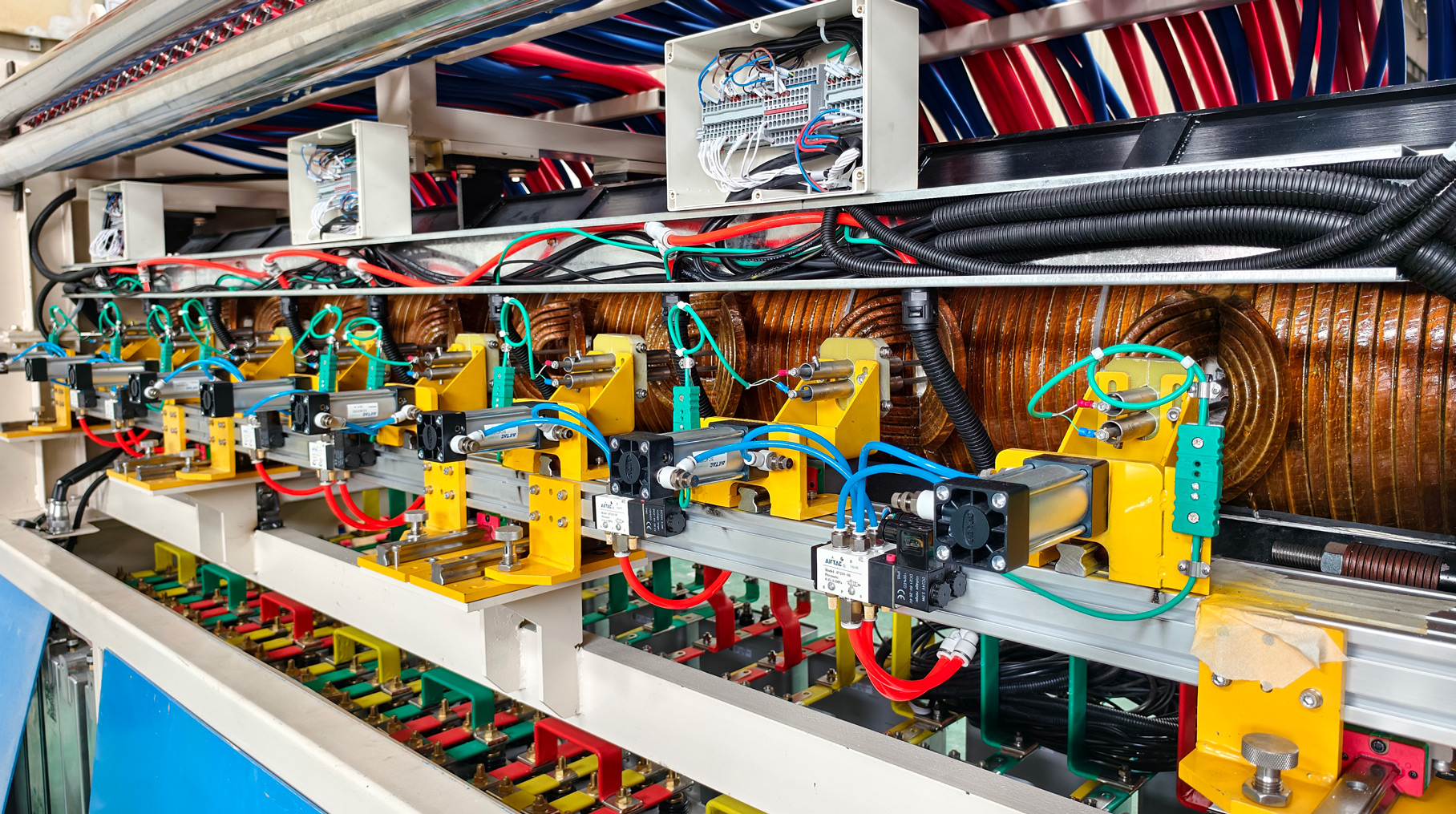
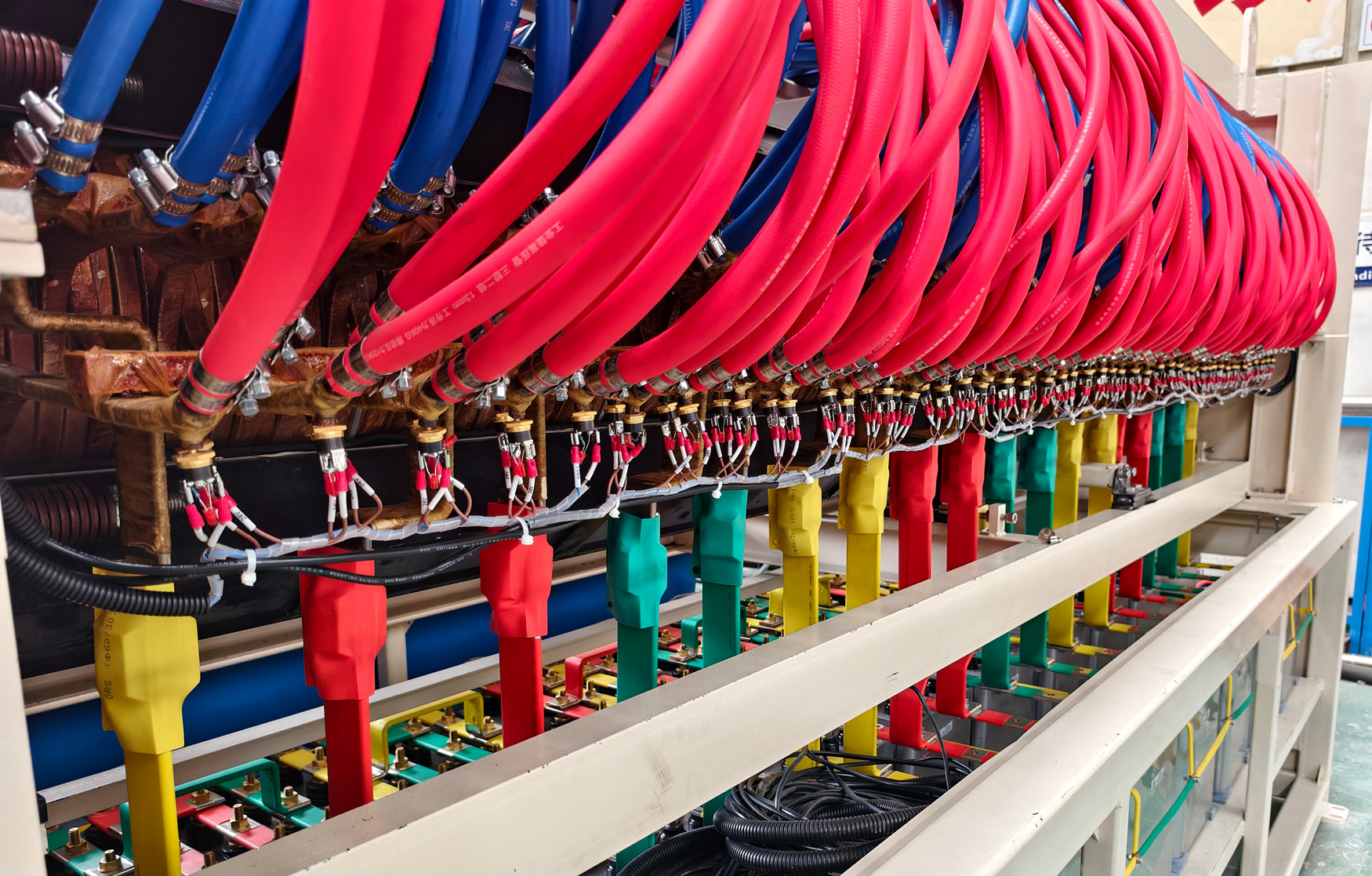
To address this challenge, Jiling Electric has overcome the limitations of conventional conduction heating by pioneering the use of electromagnetic induction for internal heat generation. The company developed a gradient induction furnace for flat billets that heats the aluminum billet volumetrically, fundamentally resolving temperature non-uniformity issues. This innovation offers multiple advantages: it eliminates heat transfer losses associated with intermediate media, resulting in faster heating and higher energy efficiency—aligning perfectly with energy-saving and carbon-reduction mandates. It significantly improves temperature control precision, enabling stable isothermal extrusion and preventing profile defects at the source. It supports gradient temperature regulation, allowing heating curves to be customized based on alloy grades and specific processes, thereby facilitating flexible production for diverse, small-batch orders. The system features a streamlined design that eliminates complex friction-based drive components, resulting in lower failure rates and reduced maintenance costs. Additionally, it is equipped with a fully automated control system capable of interfacing with factory MES platforms, supporting smart factory upgrades and effectively achieving goals related to workforce optimization, efficiency gains, and energy conservation.
Director Lu Jiyan inspected the equipment's operation on-site and highly commended Jiling Electric’s development strategy, which focuses on a specialized market niche and a commitment to independent technological innovation. He noted that the transformation of the aluminum processing industry toward high-end, green, and intelligent operations relies heavily on the technical support provided by such specialized equipment. Although upstream equipment such as aluminum billet heating systems sits at the beginning of the production process, it directly determines a company's energy consumption levels and the quality of the profiles produced; it is a crucial vehicle for implementing policies on the high-quality development of the aluminum industry and advancing "dual carbon" goals. He recommended that the company continue to ramp up R&D investment, upgrade its energy-efficient and intelligent equipment, leverage its differentiated technological strengths, and drive the upgrading of the regional aluminum processing industry.
Li Jian expressed his gratitude to Director Lu Jiyan for his professional guidance. He stated that the company would remain committed to the sector of upstream aluminum extrusion equipment, align closely with national industrial policy directives, continuously refine its products and technologies, and consistently deliver high-performance, cost-effective integrated solutions.
Serving enterprises and empowering the industry remains the unwavering mission of the industry alliance. Moving forward, the Guangdong (Nanhai) Aluminum Processing Industry Alliance will continue to engage directly with enterprises on the front lines, provide meticulous and practical member services, and facilitate precise matchmaking between equipment manufacturers and aluminum producers. By helping more energy-efficient, intelligent equipment move from the workshop into the broader industrial chain, the alliance aims to boost quality, efficiency, and green transformation within the regional aluminum processing industry.