China Aluminum Trade Update
China Aluminum Trade Update: July 2026
China’s aluminum trade showed a clear shift in July 2026. As global risk premiums eased, Middle East aluminum production gradually recovered, and new capacity in markets such as Indonesia continued to ramp up, international primary aluminum prices moved lower. The price gap between domestic and overseas aluminum markets narrowed, while a stronger yuan added pressure to China’s aluminum exports.
For global buyers and suppliers, the July data points to a more balanced but still complex aluminum market. China remains a key part of the global aluminum supply chain, but export momentum weakened across most aluminum categories.
Bauxite Imports Fell as Guinea Shipments Slowed
China imported 19.04 million tonnes of bauxite in July 2026, down 6.3% month-on-month and 4.6% year-on-year. Shipments from Guinea, China’s largest bauxite source, declined due to seasonal rainfall and weaker shipping activity, while high freight costs also affected arrivals.
Imports from Guinea reached 14.88 million tonnes, down 6.0% month-on-month, while imports from Australia rose to 3.95 million tonnes, up 7.7% month-on-month.
From January to July, China imported about 139.88 million tonnes of bauxite, up 13.8% year-on-year, showing that long-term raw material demand remains strong despite the monthly decline.
Alumina Imports Declined While Exports Increased
China’s alumina trade moved in two directions in July. Alumina imports fell as overseas prices rose and the import window narrowed. China imported 367,000 tonnes of alumina, down 18.4% month-on-month, while exports reached 305,000 tonnes, up 15.0% month-on-month and 33.0% year-on-year.
The key driver was the price gap between domestic and overseas alumina markets. Overseas alumina prices strengthened as Middle East smelters restarted and new Indonesian aluminum capacity prepared for production, tightening spot supply outside China.
As a result, China remained a net alumina importer in July, but net imports narrowed sharply to about 62,000 tonnes.
Primary Aluminum Imports Rose, Exports Fell
China’s primary aluminum imports increased in July as the Shanghai-London price ratio improved and import incentives strengthened. Primary aluminum imports reached about 185,000 tonnes, up 10.8% month-on-month.
Russia remained the dominant supply source, accounting for more than 90% of China’s primary aluminum imports during the month.
At the same time, China’s primary aluminum exports fell to about 32,000 tonnes, down 17.9% month-on-month and 23.2% year-on-year, as export arbitrage opportunities narrowed.
Aluminum Alloy Trade Showed the Same Pattern
China’s aluminum alloy imports also increased, while exports declined month-on-month. In July, China imported 60,000 tonnes of aluminum alloy, up 8.7% month-on-month, mainly from Russia, Thailand and Malaysia.
Aluminum alloy exports reached 59,000 tonnes, down 12.8% month-on-month, although they remained much higher than the same period last year. This suggests that overseas demand is still present, but short-term export momentum has weakened as price advantages narrowed.
Aluminum Product Exports Declined in the Off-Season
China exported 552,000 tonnes of aluminum semis in July, down 8.7% month-on-month but up 16.2% year-on-year. The decline reflected seasonal weakness in overseas buying, narrower export margins and weather-related disruption at key Chinese export ports.
By product category:
Aluminum sheet and strip exports: 322,000 tonnes
Aluminum foil exports: 119,000 tonnes
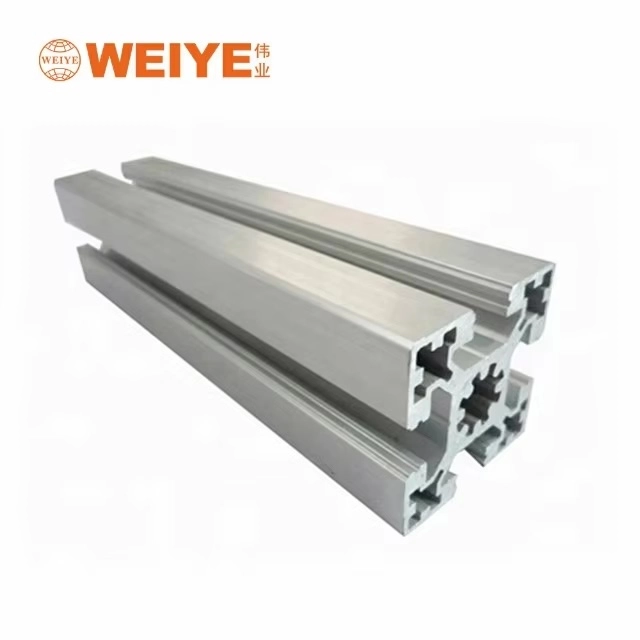
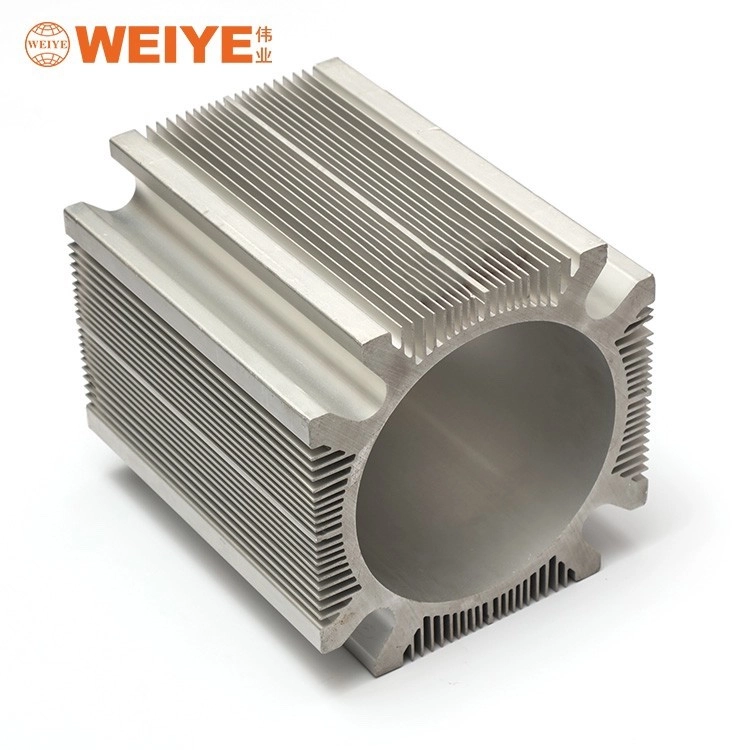
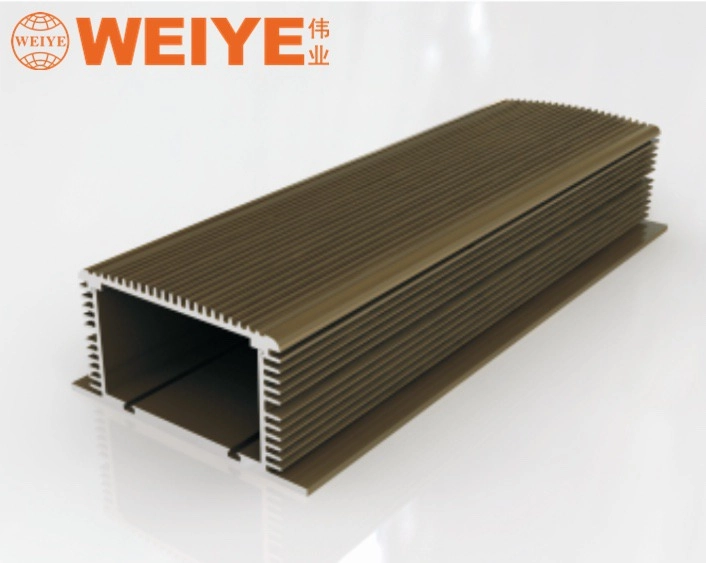
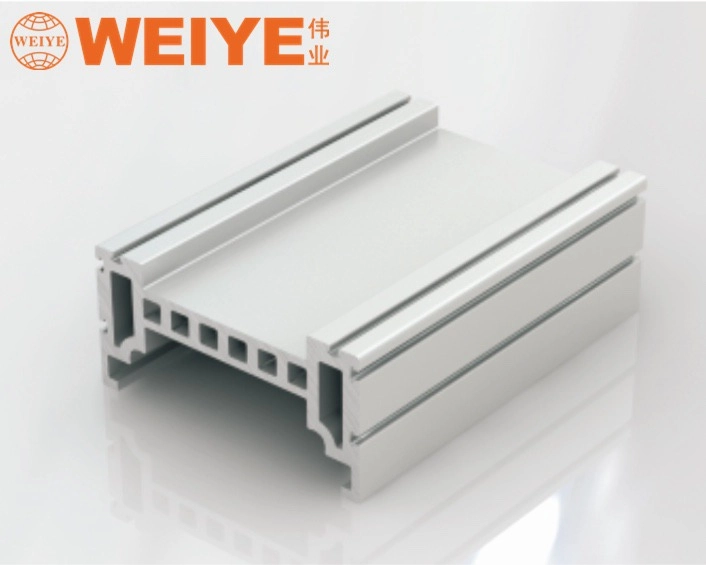
Aluminum extrusion exports: 100,000 tonnes
Exports to major markets including Mexico, Vietnam, Thailand, South Korea and India all declined month-on-month. However, infrastructure and new energy demand in Southeast Asia and Latin America continued to support China’s medium-term aluminum export outlook.
Aluminum Product and Wheel Exports Remained Supported
China exported 396,000 tonnes of aluminum products in July, down 8.5% month-on-month but up 31.2% year-on-year. Aluminum stranded wire remained one of the strongest categories, supported by overseas power grid and infrastructure demand.
Aluminum wheel exports also declined month-on-month but stayed at a relatively high level. China exported 92,000 tonnes of aluminum alloy wheels in July, down 12.7% month-on-month but up 3.6% year-on-year. Demand was supported by China’s strong vehicle export cycle, although overseas inventory adjustment and seasonal production slowdowns limited further growth.
What This Means for Global Aluminum Buyers
The July trade data suggests that China’s aluminum supply chain remains strong, but export flows are becoming more sensitive to price spreads, currency movements, logistics conditions and overseas demand cycles.
Global aluminum buyers should watch three key signals:
Whether China’s aluminum export margins recover
Whether bauxite and alumina costs remain stable
Whether overseas demand from construction, automotive, power infrastructure and renewable energy continues to grow
For buyers sourcing aluminum profiles, aluminum sheets, aluminum foil, aluminum wheels, industrial aluminum products or processing equipment, China remains an important supply market. However, procurement teams should compare suppliers early, monitor delivery schedules and avoid relying on short-term price movements alone.
How Alulink Helps Aluminum Buyers Source More Efficiently
Alulink connects global buyers with aluminum suppliers across the value chain, including bauxite-related materials, alumina, primary aluminum, aluminum profiles, sheets, foil, wheels, finished aluminum products and processing equipment.
As China’s aluminum trade flows adjust, buyers can use Alulink to compare supplier capabilities, explore alternative sourcing options and build a more resilient aluminum procurement strategy.