Global Aluminum Supply Risks in 2026
Global Aluminum Supply Shortage Risks: Middle East Disruption, Guinea Bauxite Policy and China Exports
The global aluminum market is entering a period of heightened supply risk. Geopolitical disruption in the Middle East, uncertainty around Guinea’s bauxite export policy, tightening raw material flows and changing trade patterns are all reshaping how manufacturers, traders and procurement teams evaluate aluminum supply in 2026.
For global buyers, the key issue is not only whether aluminum prices will rise further. The more important question is how to secure stable supply, manage cost volatility and reduce exposure to single-region sourcing risks.
Why Global Aluminum Supply Shortage Concerns Are Rising
Global aluminum supply shortage concerns have intensified as several risk factors appear at the same time. Middle East smelter disruption risks may affect primary aluminum supply, while bauxite policy uncertainty in Guinea could add pressure to alumina costs. At the same time, low visible inventories and shifting export flows are making procurement planning more difficult for downstream manufacturers.
Aluminum buyers in construction, automotive, packaging, solar energy, machinery and industrial manufacturing are watching three signals closely:
Primary aluminum supply availability
Alumina and bauxite cost trends
Export flows from stable production regions, especially China
If these pressures continue, the aluminum market may remain volatile rather than returning quickly to a stable pricing cycle.
Middle East Smelter Disruption Risks and Primary Aluminum Supply
The Middle East is an important region for global primary aluminum production, supported by large-scale smelters and access to energy infrastructure. Any disruption to smelting operations, port logistics, raw material transportation or regional energy supply can affect aluminum delivery timelines and regional premiums.
Recent market discussions have focused on the potential impact of Middle East smelter curtailments on global aluminum supply. Some institutions have warned that prolonged disruption could create a meaningful supply deficit and support higher LME aluminum prices.
For buyers, the practical impact may include:
Longer delivery times for primary aluminum
Higher regional premiums
Increased competition for reliable suppliers
Greater need for alternative sourcing options
Procurement teams should avoid relying on a single supply region and should compare suppliers across multiple markets before finalizing annual or quarterly purchasing plans.
Guinea Bauxite Export Policy Uncertainty Adds Cost Pressure
Guinea is one of the world’s most important bauxite suppliers, making its export policy highly relevant to the global aluminum supply chain. Any discussion of export quotas, shipment controls or policy changes can influence bauxite availability and pricing.
Because bauxite is the key raw material for alumina production, higher bauxite costs may eventually move through the value chain and affect alumina and primary aluminum prices. Even when policy changes are not fully confirmed, uncertainty alone can lead traders and refiners to adjust procurement behavior.
For aluminum buyers, this means raw material risk should be monitored alongside finished aluminum prices. A stable LME aluminum price does not always mean the cost base is stable.
China Aluminum Exports and the Global Supply Balance
China remains one of the most important forces in the global aluminum market. With large production capacity, a complete downstream processing chain and strong export capability, China can help buffer global supply pressure when overseas markets face disruption.
As overseas buyers reassess supply security, Chinese aluminum products may become more competitive in selected categories, including:
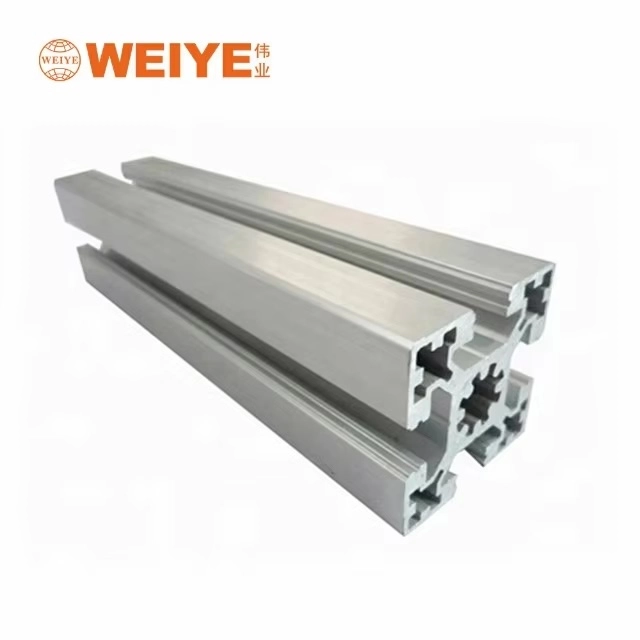
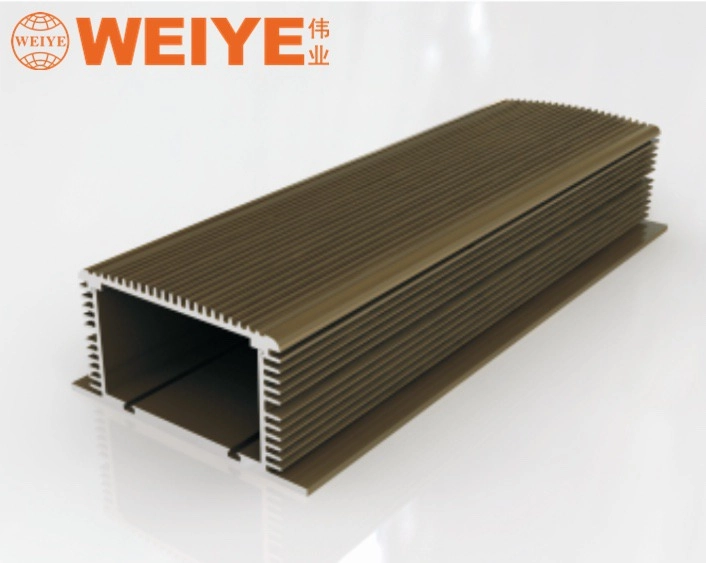
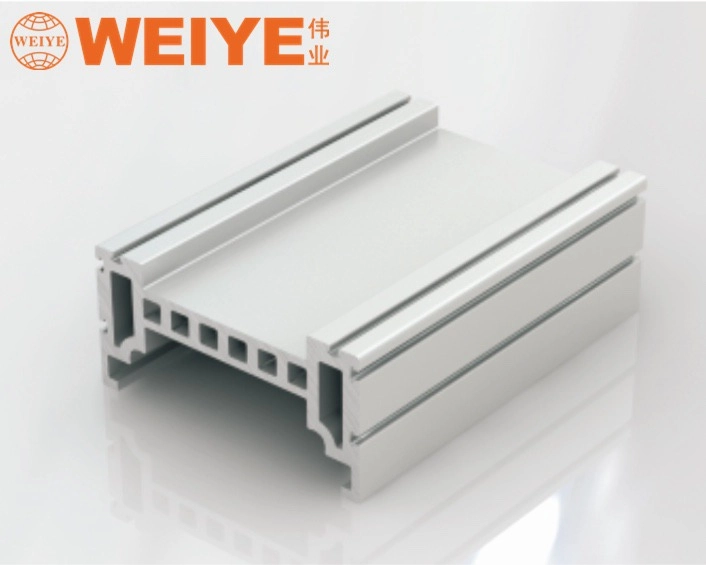
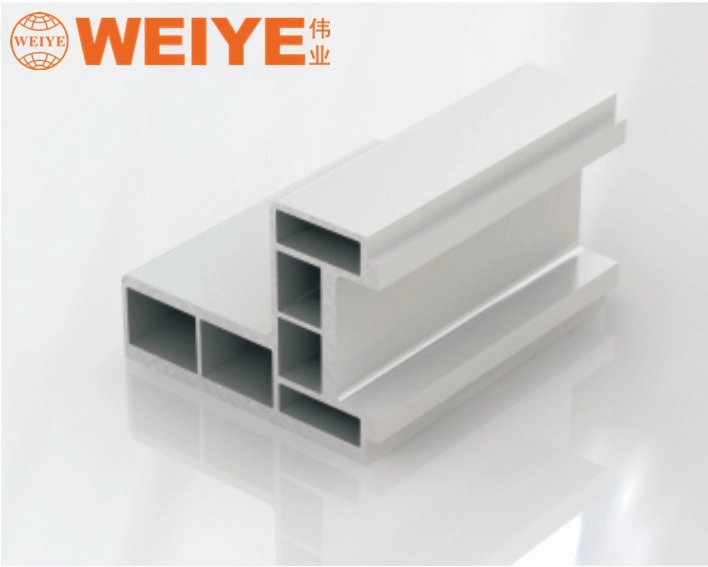
Aluminum profiles
Aluminum sheets and plates
Aluminum coils
Aluminum foil
Window and door aluminum systems
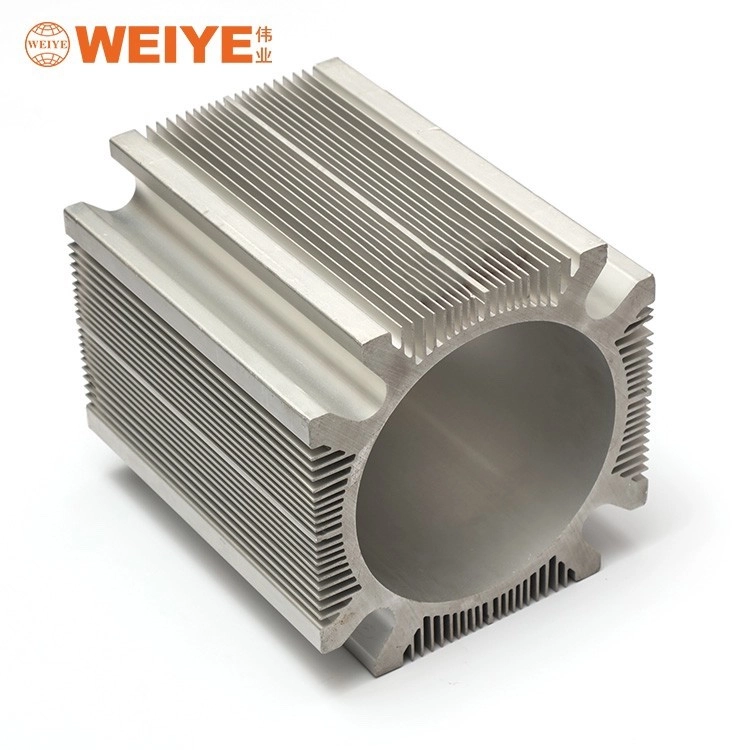
Industrial aluminum extrusion products
Aluminum processing equipment and related materials
However, China’s export flow is also influenced by domestic demand, price spreads, freight costs, exchange rates, trade policies and overseas tariffs. Buyers should therefore track both China’s production stability and international trade conditions.
Aluminum Price Outlook: Volatility Is the Main Theme
Several market forecasts suggest that aluminum prices could remain supported if supply risks persist. Some analysts have discussed the possibility of LME aluminum prices moving toward higher levels if Middle East disruption continues and inventories tighten further.
However, buyers should treat the aluminum price outlook as a volatility story, not a one-way trend. If supply recovers faster than expected, demand weakens, or trade flows normalize, aluminum prices may also face downward pressure.
For procurement teams, the better strategy is not to predict one exact price level. Instead, buyers should prepare flexible sourcing plans, compare quotations frequently and consider phased purchasing rather than relying on a single buying window.
What Global Aluminum Buyers Should Do Next
In a high-risk aluminum supply environment, buyers should focus on supply chain resilience. The following actions can help reduce procurement risk:
Compare suppliers from multiple regions
Monitor bauxite, alumina and primary aluminum cost trends
Confirm supplier inventory and delivery capacity before placing large orders
Use phased purchasing to manage price volatility
Review tariff, certification and logistics requirements early
Build backup supplier lists for key aluminum products
For manufacturers using aluminum in construction, solar energy, automotive, packaging or machinery, supply reliability may become as important as unit price.
How Alulink Helps Buyers Navigate Aluminum Supply Chain Risk
Alulink connects global buyers with aluminum suppliers, manufacturers and related industry resources. In a market shaped by supply disruption, raw material uncertainty and changing trade flows, buyers need more than price information. They need access to reliable suppliers, comparable product options and faster sourcing channels.
Through Alulink, buyers can explore aluminum products, compare supplier capabilities and identify sourcing alternatives across the aluminum value chain, from raw materials and aluminum profiles to finished products, processing equipment and industrial solutions.
As global aluminum supply risks continue to evolve, a broader supplier network can help buyers improve procurement flexibility and reduce exposure to single-market disruption.