



China Aluminium Extrusion Output Slumps Amid Deepening Property Weakness & Fading Export Boost
China’s aluminium extrusion industry remains on a downward trajectory, weighed down by deepening weakness in the construction sector, according to sampled manufacturer data from Mysteel. Output continued to decline from July through September 2026, with a stark divergence between slumping building-related demand and more resilient industrial applications.
Output & Capacity: Broad-Based Decline With Structural Divergence
Total aluminium extrusion output fell 11.8% between early July and September 2026, while industry capacity utilization slid from 41.83% to 36.90%. More than 60% of industry capacity is now idle or running at low loads, marking a low point for the sector.
The downturn is overwhelmingly driven by construction-focused extrusions. Output of construction-grade aluminium extrusions fell a cumulative 21.2% over the period, reflecting persistent softness in traditional building demand. By contrast, industrial extrusion output declined by just 3.7%, showing relative resilience and providing a floor for overall production.
Supply Dynamics: Lean Inventories & Shorter Lead Times
Producers are operating on a strictly produce-to-order basis, with compressed scheduling cycles. Composite lead times have shortened from 8.63 days to 7.76 days, indicating faster production pacing but shrinking order backlogs.
Both raw material and finished goods inventories have been drawn down in tandem. Raw material stocks fell 18.7%, outpacing a 15.6% drop in finished goods inventory, as producers proactively scale back input purchases to manage operational risk amid uncertain demand. Outstanding orders are down 11.1%, confirming sluggish end-user demand recovery.
Demand: Property Slump Persists, PV Solar Stands Out
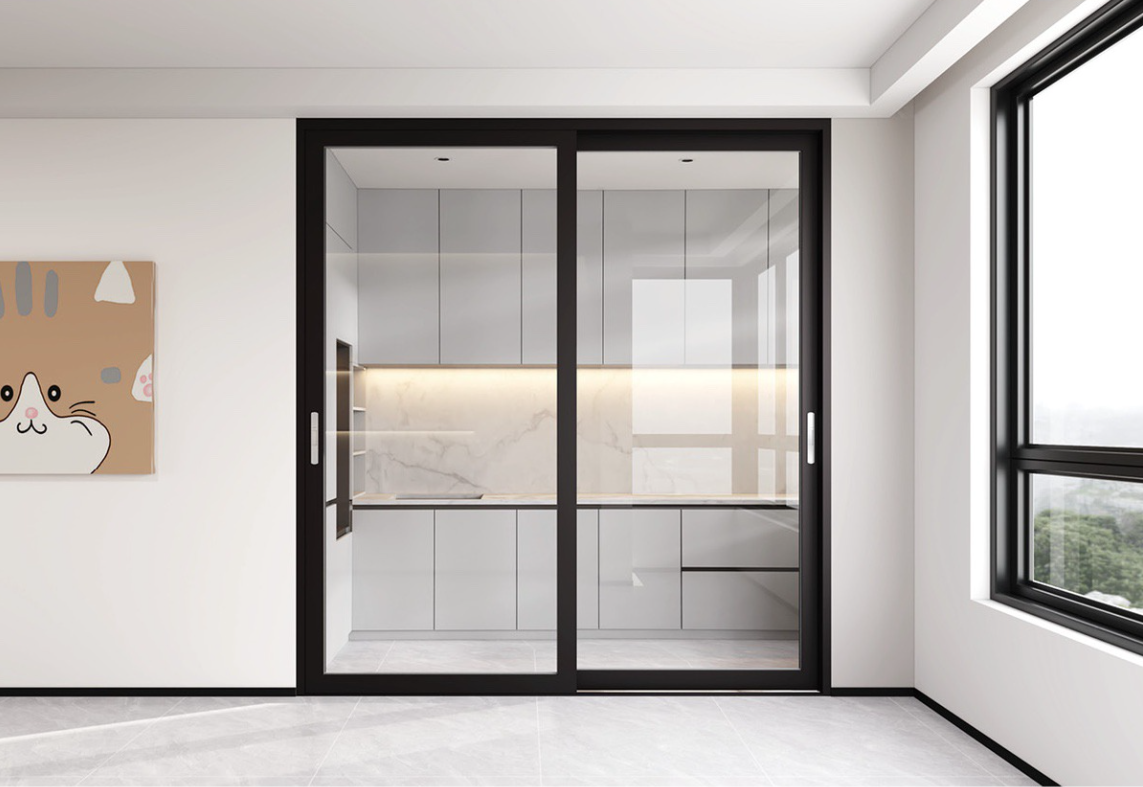
Domestic demand remains split along structural lines. The construction extrusion segment continues to deteriorate, dragged down by falling new real estate starts and shrinking demand for doors, windows and curtain walls. Key regional markets including Guangdong, Hubei and Jiangxi are particularly sluggish, with little prospect of near-term improvement.
Photovoltaic and new energy sectors are the clear bright spot. A concentrated wave of ground-mounted solar project deliveries in late Q2 spurred a demand rebound, with PV extrusion producers in Anhui and Jiangsu running at full capacity to emerge as the core growth engine for industrial extrusions.
Traditional domestic industrial demand remains weak, however. Leading industry players have noted a failure of typical peak-season demand to materialize, with order volumes from conventional industries shrinking and any domestic demand recovery likely further delayed.
Export Growth Loses Momentum, Headwinds Loom
Exports have been the critical pillar preventing a deeper industry collapse, but that support is now fading at the margin. China’s aluminium extrusion exports followed a V-shaped rebound then high-level oscillation pattern in 2026, peaking at 92,000 tonnes in June.
July marked the first month-on-month decline, falling 3% with year-on-year growth slowing to 10%, signaling an inflection point.
While external demand remains supportive for now, rising export costs after December 4 are set to erode the export dividend, putting shipment volumes at significant risk of pullback. That would leave the industry facing a “double weakness” scenario of soft domestic demand paired with retreating exports.
Outlook: Near-Term Uncertainty, Longer-Term Consolidation
The aluminium extrusion sector is currently trapped in a cycle of weak supply, weak demand and structural divergence. Near-term performance hinges on whether domestic construction and industrial orders pick up in September–October — particularly how effectively real estate policy stimulus translates to building sector demand — and whether export orders can hold at elevated levels.
Over the medium to long term, industry consolidation is set to accelerate. Players with high-end product portfolios and established export channels will emerge as beneficiaries, while traditional construction-focused extruders will face severely squeezed margins and potential market exit.
Downside risks remain if domestic demand recovery falls short of expectations, which would leave excess capacity weighing on profitability across the entire value chain.